Order! The Minutes Are Talking: Parish Council Bureaucracy as a Fiction Engine
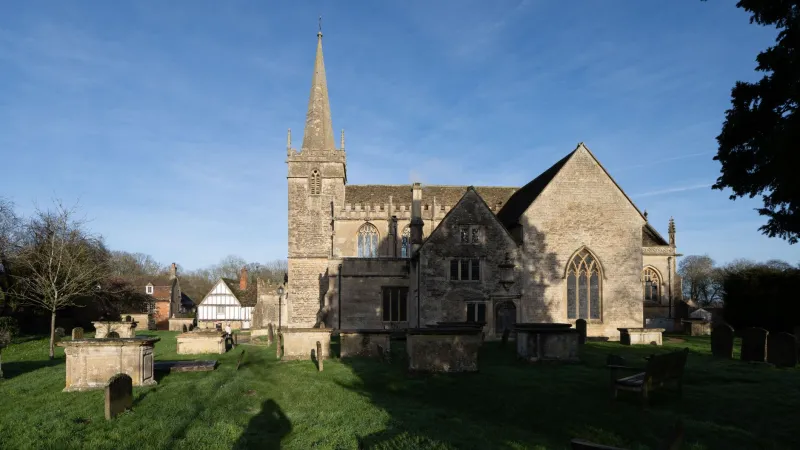
Every few weeks, in a village hall that smells faintly of squash and floor polish, a clerk writes down what did not quite happen. The result is a document of extraordinary strangeness: the parish council minutes. It is bureaucracy’s answer to the nouveau roman, except the furniture is a folding table and the existential dread is about a dog bin.
At Irregular Writers, we are suspicious of any literary tradition that arrives with a laminated agenda. But the parish council minute is not merely a record of local governance. It is a constraint-based writing system, a found-text goldmine, and possibly the most reliable source of experimental fiction in the United Kingdom. You do not need to invent a narrator with an unreliable memory. You need only read the clerk’s report.
The Clerk Is an Unreliable Narrator
Consider the classic minute: “The clerk reported that correspondence had been received regarding the matter raised at the previous meeting. It was agreed that further information would be sought.” Who received it? What matter? Who agreed? What information? The minute does not say. It is not lying, exactly. It is performing a literary manoeuvre known as omission, and it does so with the serene confidence of a vicar who has forgotten your name but is not about to admit it.
This is not a flaw. It is a gift. The passive voice is often treated as bad writing, but in the right hands it becomes a fog machine. “It was agreed” is a sentence with no agree-er. “Concerns were expressed” hides the concerned. “A decision was deferred” is a plot twist without a protagonist. If you want to write fiction that feels like a dream someone else is having about a planning application, start here.
Agenda Item 4(b) Is a Three-Act Structure
Parish council agendas have a rhythm that novelists spend years trying to fake. First, the apologies for absence: a roll call of the missing, a soft opening in which absence itself becomes a character. Then the minutes of the previous meeting: a flashback, usually disputed. Then matters arising: the closest thing British bureaucracy has to a sequel. And then, finally, any other business, the narrative Wild West where anything from a broken bench to a rogue hedge can appear without warning.
Treat the agenda as a skeleton. Your novel does not need chapters. It needs items. Item 1: Apologies. Item 2: Declarations of interest. Item 3: Planning application for a rear extension that will “impact on the amenity of neighbouring properties.” Item 4: Allotment dispute. Item 5: Any other business. By the time you reach item 5, you have a plot with more tension than most thrillers, and nobody has even mentioned the hanging baskets.
Found Text from the Front Line of Planning Objections
Planning objections are a literary genre of their own. They are written by people who have discovered the word “overbearing” and intend to use it until the planning committee begs for mercy. “The proposed development would be out of keeping with the character of the area.” “The applicant has failed to demonstrate adequate parking provision.” “We wish to object in the strongest possible terms.” These are not just complaints. They are dialogue.
Try this: take three planning objections from your local council’s website and cut them up. Rearrange the sentences. You now have a poem about a carport that reads like a lost Pinter scene. Or set them as a chorus in a short story about a woman who moves to a village and discovers that the real horror was the neighbourhood consultation process.
The Allotment Dispute as Domestic Epic
Allotment disputes are the parish council’s answer to the family saga. There is history. There are boundaries. There is a shed that may or may not be within the permitted dimensions. There is a man called Keith who insists he has been growing courgettes on that patch since before the war, and a woman called Sheila who has the paperwork to prove otherwise. The minutes will record only that “the allotment officer would investigate.” But you and I know the truth: this is a novel about memory, territory, and the impossibility of shared space.
Prompts for Bureaucratic Mischief
-
Write a short story composed entirely of agenda items. No dialogue, no description. Let the reader infer the affair, the feud, and the mysterious item 7(b) that is listed only as “to note.”
-
Take a page of minutes and replace every instance of “the council” with “the family.” Watch the domestic tragedy unfold.
-
Write a scene in which two characters communicate only in planning-objection euphemisms. “I feel the proposal is premature.” “I have concerns regarding overlooking.” “I would like to request further clarification.” It is a love story, obviously.
-
Use the clerk’s report as an unreliable narrator. The clerk knows everything but writes nothing. What is being protected? What is being buried? Write the novel the minutes refuse to be.
-
Find a real parish council minute that includes the phrase “any other business.” Use it as the final line of a story. Do not explain.
The Village Hall Is a Narrative Engine
Parish council minutes are not a substitute for imagination. They are a set of constraints, and constraints are where experimental writing thrives. The minutes give you a structure, a cast of characters who are mostly absent, and a language that has been sanded down until it is almost pure implication. All you have to do is listen to what is not being said.
So next time you see a noticeboard advertising a parish council meeting, do not walk past. Consider it an invitation. The clerk is warming up the laptop. The agenda is waiting. And somewhere between item 4(b) and any other business, your next novel is already being minuted.