The Single Glove Is a Cliffhanger: Lost Property Offices and the Fiction of Missing Persons
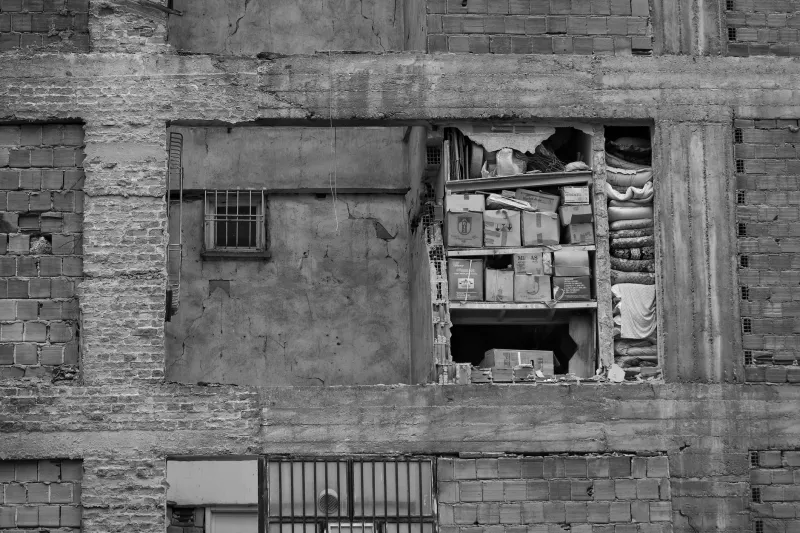
There is a particular smell to a left-luggage office: wet wool, old rubber, the ghost of a sandwich. It is not the smell of mystery. It is the smell of a municipal cupboard. And yet, in 2026, when every station has an app and every app has a notifications badge, the lost property shelf remains one of Britain’s most reliable engines for experimental fiction. Not because the items are romantic, but because they are incomplete.
An umbrella without an owner is not a symbol. It is a fact with a person-shaped hole in it.
The inventory is a plot outline with the protagonist removed
Walk into any lost property office — the TfL counter, the operator-run hatch at a regional station, the council depot that smells faintly of bleach and regret — and you will find a list. One black umbrella with a broken spoke. One left-hand glove, size medium, navy. A suitcase with a faded airport tag and a zip that has given up. Reading glasses in a case marked 'Grandad'. A phone charger for a phone that no longer exists. A child’s cardigan, pink, washed far too many times.
Each line is a table of contents for a story that has been confiscated. The inventory does not tell you what happened; it tells you what was left after the happening. That is the difference between a plot and a plot hole. Most fiction is addicted to presence — who did what, when, to whom, with what consequences. Lost property is a masterclass in absence. It is the novel that begins after the novel has already been lost.
The single glove is the purest example. A pair of gloves is an object. A single glove is an event. It implies a hand, a pocket, a distracted moment, a bus door, a dog, a child, a person walking away from something they did not mean to leave. It also implies a second glove, still out there, possibly in a different lost property office, possibly in a drawer, possibly on a wall in Bolton. You do not need to solve the mystery. The mystery is the engine.
The left-luggage rack is a constraint machine
Experimental writers love constraints. We will happily write a novel without the letter e, or a poem in which every line is a bus stop, or a story structured entirely by the order of items on a receipt. The lost property office offers a constraint for free: describe the owner using only the things they abandoned. No birth, no childhood, no favourite colour. Just the evidence.
This is Oulipo with a clipboard. A suitcase with a broken zip means a departure that was either rushed or reluctant. A pair of spectacles in a case means someone could not see well enough to find their own spectacles. A single earring means either a lost earring or a lost argument. A Tupperware box with no lid means someone packed a lunch and then made a decision they regretted. The items are not clues in a detective story. They are adjectives in a character sketch written by a committee of absent-minded strangers.
The left-luggage rack adds time. Left luggage is not merely lost; it is stored. It is waiting. It is a small, paid-for purgatory between ownership and the bin. That waiting is a narrative pressure. A suitcase left for an hour is a commuter. A suitcase left for three months is a novel. A suitcase left for a year is either a crime or a very British form of denial. The office does not tell you which. That is your job.
Four exercises for writing the missing
-
The Unclaimed Object Monologue. Choose one item from a lost property inventory — real or invented — and write 200 words in its voice. The object may complain, reminisce or lie. It must never name its owner. It may mention weather, receipts, the price of a return to Crewe. End with the object being claimed, but do not say by whom. Let the reader feel the hand before they see it.
-
The Negative Biography. Write the owner’s life story in twelve lines. Each line must begin with 'They never' or 'They didn’t'. Use only absences. No birth, no death, no job title. For example: 'They never owned an umbrella that lasted a winter.' 'They didn’t notice the glove until the bus was halfway to Peckham.' The result will be a portrait made entirely of holes. That is the point.
-
The Inventory Sonnet. Collect twelve lost-property labels — from your own life, not a shelf you should not be rifling through — and arrange them as a fourteen-line poem. Eight lines of objects, six lines of questions. The turn comes when you realise you are one of the objects. The rhyme scheme is optional. The ethics are not.
-
The Office Dialogue. Two lost items talk to each other. They must never mention their owners. They may discuss the weather, the price of a cup of tea, the likelihood of being sent to a charity shop in Dagenham. End with a reunification that feels like a threat. This exercise works best if one of the items is a single glove and the other is a suitcase that has clearly seen things.
What the oracle actually says
The station oracle is not a fortune teller. A fortune teller tells you what will happen. The lost property office asks what you have already dropped. It is a public service, not a metaphor, and that matters. Underfunded lost property offices are an accidental archive of ordinary life — the umbrellas, the gloves, the chargers, the things we carry because we are trying to be prepared for a world that keeps not asking us to be. They are also a reminder that public infrastructure holds our mess, usually without applause and often without enough staff.
There is an ethics to writing from this. Do not treat the shelf as a free props department. Ask permission. Do not photograph labels with names on them. Do not turn someone’s lost wedding ring into your clever little plot device without acknowledging that it was, for them, a disaster. Fiction can honour the missing without claiming them. The best writing from lost property does not solve the absence; it sits with it, turns it over, and notices how strangely shaped it is.
So the next time you see a single glove on a station wall, or a suitcase in a left-luggage rack that looks like it has been there since the last time the trains were any good, do not simply walk past. Write the glove. Not the hand. The glove is the cliffhanger. The hand is the resolution, and resolutions are usually less interesting than the things we leave behind.